
25%
of 36 assessed species are
Threatened
of 36 assessed species are
Threatened
64%
of 36 species are assessed as
Least Concern
of 36 species are assessed as
Least Concern
44%
of 36 species are
Endemic
of 36 species are
Endemic
Key findings
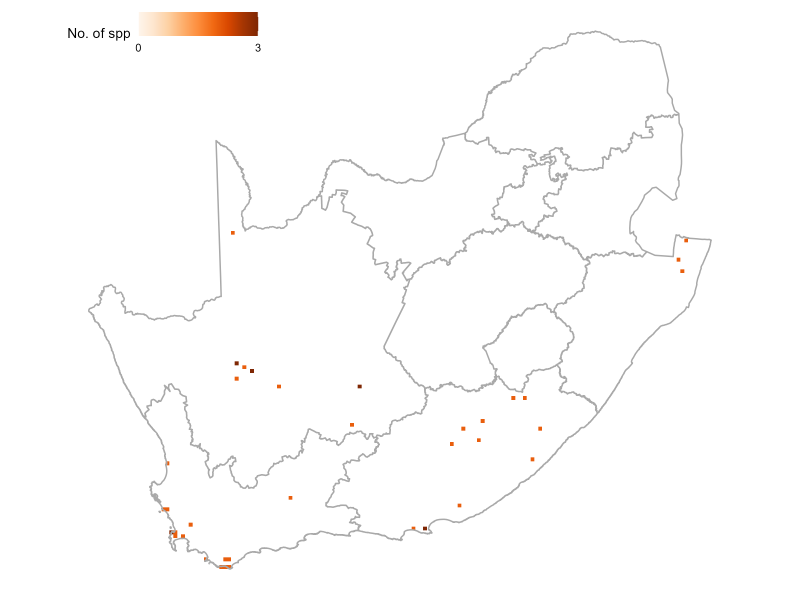
There are 40 described fairy shrimp (Anostraca) species in South Africa, representing around 11% of the world’s 353 species1.
A comprehensive assessment of 36 Anostraca species was conducted for the first time using the IUCN Red List of Threatened Species Categories and Criteria to classify their risk of extinction (six species are still in review).
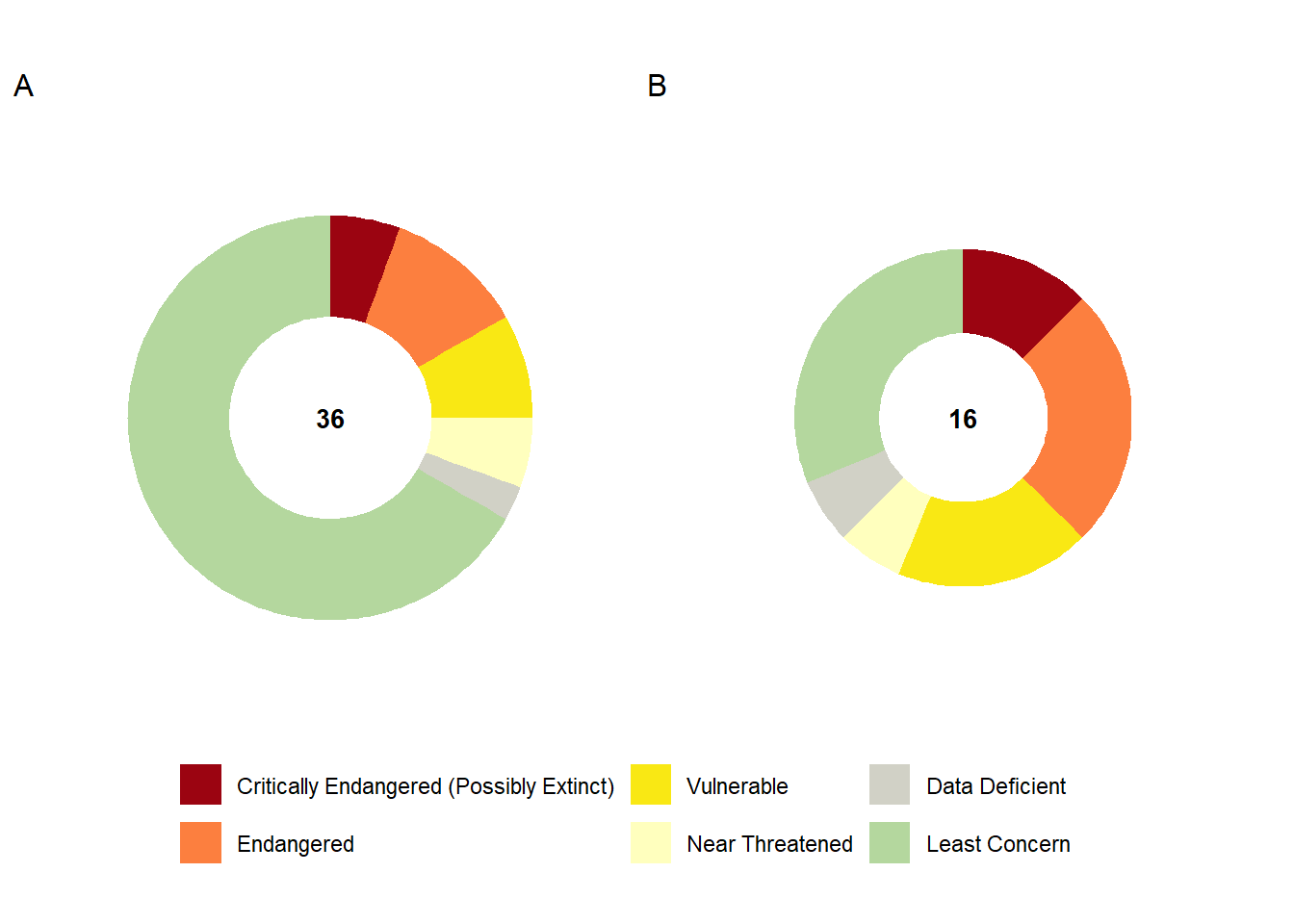
Of the assessed taxa, nine species (25%) were assessed as threatened with extinction, and of these, two species are considered Critically Endangered (Possibly Extinct)2.
Endemism is high, with 44% (16) species only found in South Africa. Of these, 56% (9 species) are threatened with extinction, placing sole responsibility on South Africa to protect and conserve these species2.
This assessment of Anostraca contributed to 58% of the global Anostraca IUCN assessments, making a sizeable contribution to the understanding of the current state of these temporary freshwater habitat indicator species.
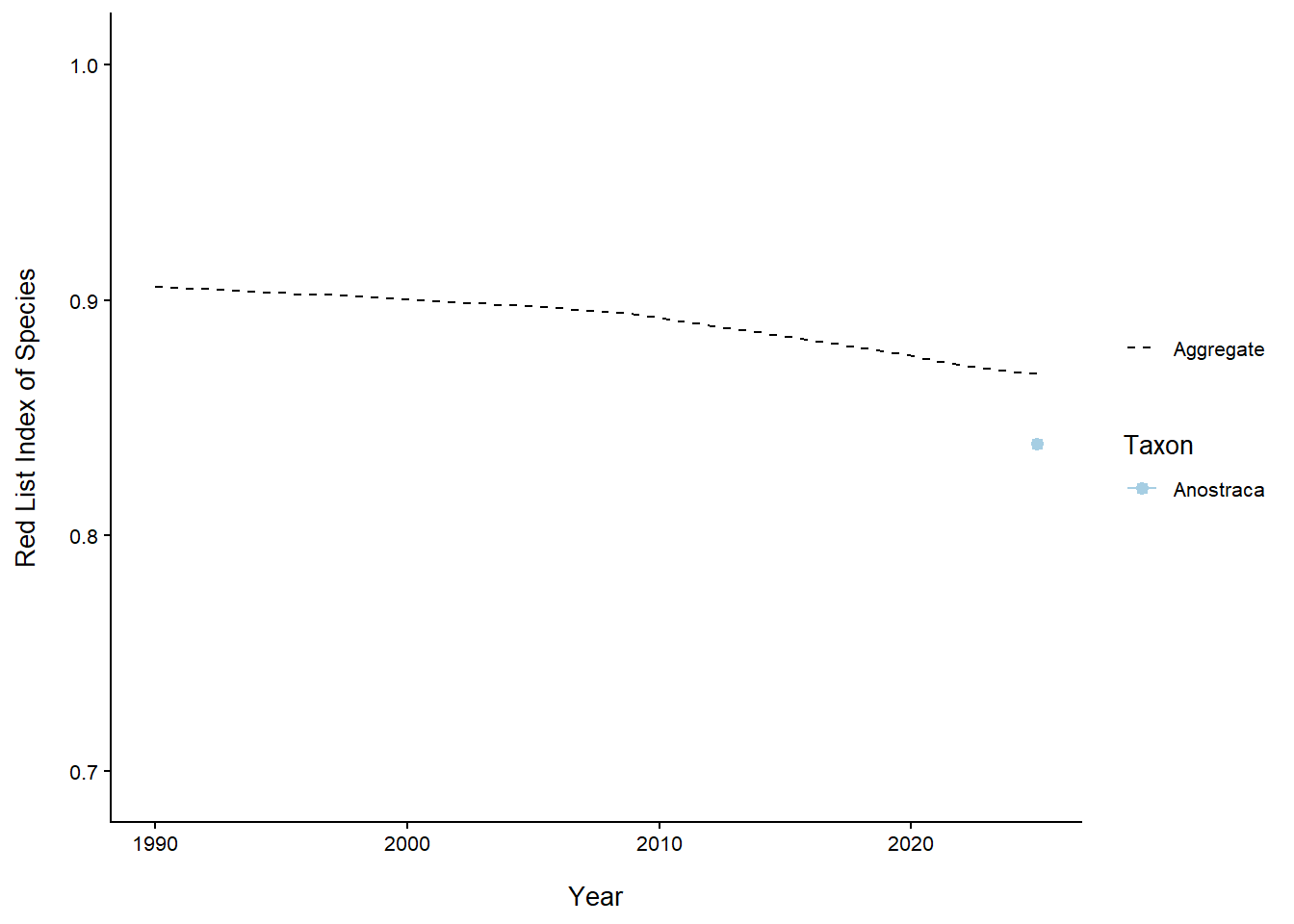
The IUCN Red List Index (RLI) assessment revealed that Anostraca have the third lowest RLI score (0.84), making it one of the most threatened taxonomic groups in South Africa. This illustrates the need for further surveys of temporary freshwater systems in the country, to understand their drivers of threat better as well as guide efforts to prevent further losses.
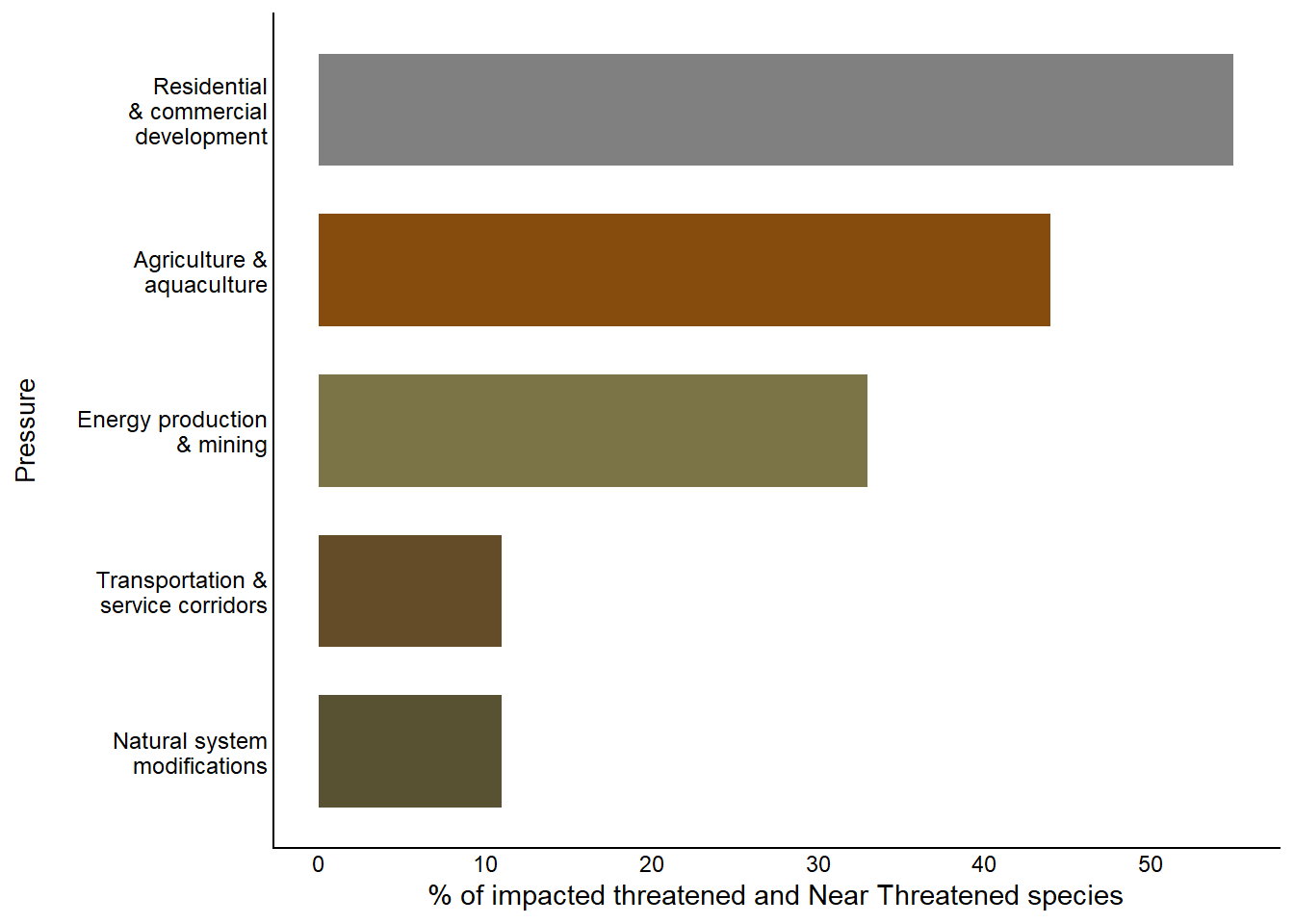
Major threats to Anostraca are habitat loss and degradation due to urban and agricultural expansion, and mining.
Threat status
For the first time in South Africa, a comprehensive assessment of Anostraca species was conducted using the IUCN Red List of Threatened Species Categories and Criteria. This includes 42 species, of which 36 have been published and are presented here (Figure 2, Table 1). The last six species will be included in future updates. Nine species were found to be threatened with extinction, of which two were assessed as Critically Endangered (Possibly Extinct). The latter species are both only known from their type collection series. Streptocephalus gracilis was last collected in 1898, while Rhinobranchipus martensi was last collected in 1989. Sadly, the type localities for both species have been severely modified2.
| Taxon | Critically Endangered (Possibly Extinct) | Endangered | Vulnerable | Near Threatened | Data Deficient | Least Concern | Total |
|---|---|---|---|---|---|---|---|
| Overall anostraca | 2 | 4 | 3 | 2 | 1 | 24 | 36 |
| Endemic anostraca | 2 | 4 | 3 | 1 | 1 | 5 | 16 |
NoteBox 1. The diverse range of freshwater habitats occupied by Anostraca often causes these habitats and their unique aquatic fauna to go unnoticed when dry
The temporary aquatic habitats that anostracans inhabit include a range of endorheic wetlands, remnant riverine pools, rock pools, roadside ditches and even animal wallows. The biotic and abiotic variables associated with these habitats differ substantially, and species are highly sensitive to specific habitat conditions. Consequently, anostracans are habitat specialists and ideal indicators of environmental change.
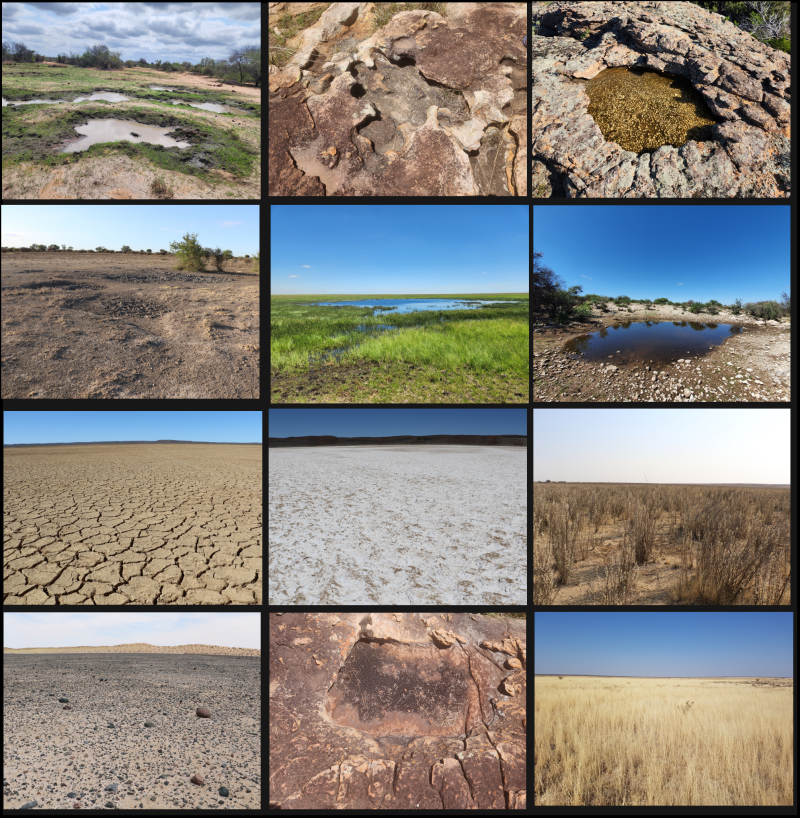 A diversity of temporary habitats, varying in how they are inundated and the frequency of inundation. (© Betsie Milne, Musa Mlambo and Daksha Bills)
Trends – the Red List Index
The trend in species status over time was measured using a global standard indicator, the IUCN Red List Index (RLI) of species3. The RLI is calculated for each taxonomic group based on genuine changes in Red List status over time. The RLI value ranges from 0 to 1. At a value of 1, all species are at low risk of extinction (Least Concern), while a value of 0 indicates that all species are extinct. The Red List Index of Anostraca was calculated for the first time for South Africa, and this group is relatively low on the RLI scale, with a value of 0.84 (Figure 3). This indicates that the group has high levels of threat and that many species are at risk of extinction.
Pressures
The major drivers of threat to Anostraca species are habitat loss and degradation caused by urban and agricultural expansion and mining (Figure 4). Due to the temporary nature of the freshwater systems that Anostraca species inhabit, they seldom exhibit wetland indicators to alert water resource protection. Their soils do not always display typical soil wetness indicators and obligate- or facultative wetland plant species are often absent. In the arid regions of South Africa, the surfaces of many pan systems are bare or rocky, while along the escarpment or other large rock formations, the rock pools go unnoticed when dry. As a result, these habitats and their unique aquatic fauna do not receive adequate recognition to allow for their protection against ongoing pressures.
Protection level
Anostraca were not assessed according to the formal protection level assessment methods of the NBA. However, an initial overlay of the South African protected area network and the distribution records of Anostraca species was done as part of the IUCN Red Listing process. This preliminary assessment showed that only a few species’ distributions intersect with protected areas, and, similar to freshwater fishes4, these areas were not specifically designed to protect Anostraca species or freshwater species in general. Further analysis is needed to evaluate the effectiveness of existing protected areas where such overlaps occur.
Monitoring
There is limited monitoring in temporary freshwater habitats in South Africa. Efforts are hindered mainly by lack of expertise and funding, but unpredictable and limited rainfall, logistical limitations and inaccessibility across vast, rugged terrain prevent consistent sampling attempts. To date, initiatives have mainly focused on gathering foundational biodiversity data, since the biogeography of Anostraca in South Africa is still not fully understood. To reassess this group in the future and have a better understanding of the state of Anostraca species, monitoring of temporary freshwater species and their habitat conditions is required. To support the efforts of researchers, ordinary citizens can make contributions by posting their observations on iNaturalist (Box 3).
NoteBox 3. Calling all citizen scientists who might have an interest in these creatures
To contribute to the future Red List assessments and monitoring of Anostraca, join iNaturalist!
Clear photos and a short habitat description are good enough for an observation. Even without fine details, your observations can reveal new localities and guide future fieldwork. This helps scientists understand fairy shrimp distribution and identify potential new sampling sites.
New to iNaturalist (or never heard of it) and want to contribute? Watch these video tutorials to get started and sign up on the iNaturalist website or download the app on your smartphone. To see how valuable your nature photographs can be, watch this inspiring TED talk.

Knowledge gaps
Many of the Anostraca species that are of conservation concern are considered under-sampled, as there are only a few experts actively conducting surveys, and the taxonomical skills to accurately identify the specimens to species level are scarce. Furthermore, the life history traits adopted by Anostraca to survive in their temporary habitats create an unpredictable sampling timeframe, which complicates sampling attempts. As a result, many promising potential habitats remain under-explored. Some of the important actions needed to address current knowledge gaps include:
Many areas in South Africa and the subcontinent remain unsampled. Regional surveys specifically for Gauteng, Mpumalanga, Limpopo, Free State and North-West should be prioritised.
Active search campaigns should be launched for the possibly extinct species, Streptocephalus gracilis and Rhinobranchipus martensi, as well as for the Data Deficient species, Branchipodopsis scambus and Streptocephalus vitreus.
Genetic studies are needed to unravel suspected species complexes, where great morphological variation exist, e.g., Branchipodopsis wolfi and Branchipodopsis tridens.
Developing a standardised method to calculate population estimates for hatching trials, field research, monitoring, and ad-hoc sampling, which is a vital element during Red List assessments.
Attracting interest for branchiopod research and training more South Africans in branchiopod taxonomy skills.
NoteBox 4. Egg bank sampling is an effective alternative to live sampling in temporary freshwater habitats
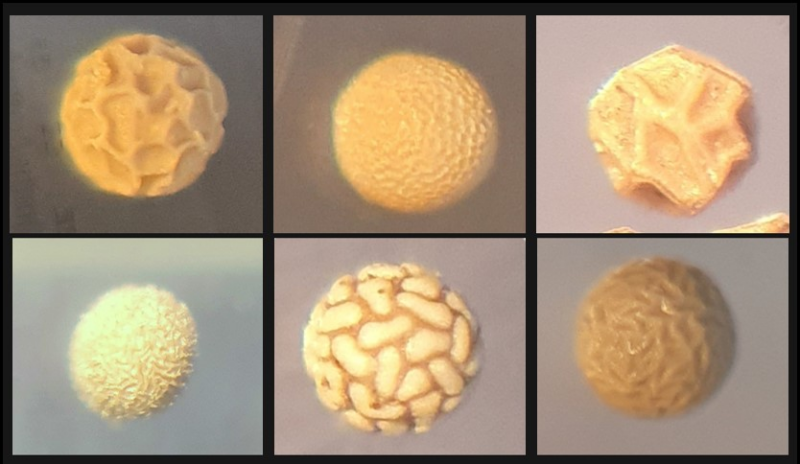
Anostracan eggs have species-specific morphologies, making them useful indicators of diversity and density in unpredictable habitats when live sampling is not possible5. (© Betsie Milne)
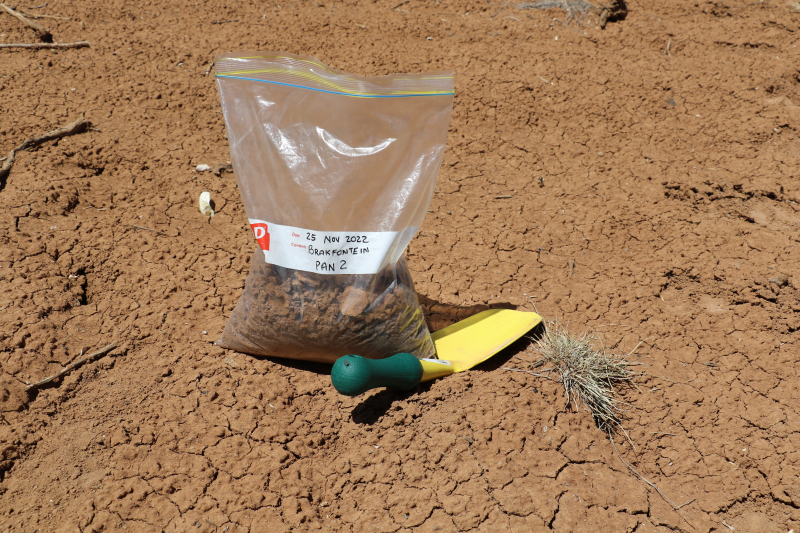
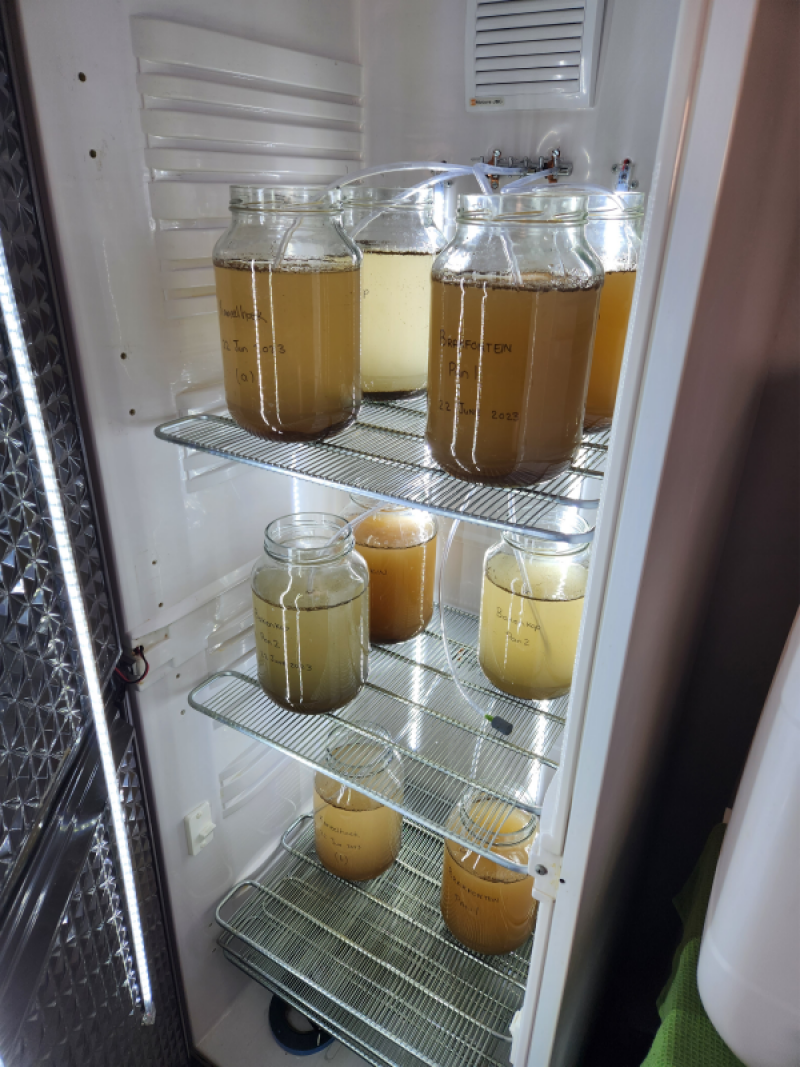
Using soils collected from dry habitats to run hatching trials, has successfully contributed to filling distribution gaps and describing new species. (© Betsie Milne)
Approach
Threat status assessment
The IUCN Red List of Threatened Species Categories and Criteria are used to assess the threat status of species.
Categorisation of southern African anostracan species and their conservation status was attempted by Hamer (1997)6 and Roeck (2007)7, according to the IUCN criteria at that time. From their attempts, only four species were officially added to the IUCN Red list, because many species lacked information to be properly categorised and fully assessed. Considerable advances have been made in anostracan research in South Africa over the past few decades. In 2023, the first comprehensive assessment of South African Anostraca was initiated through the NRF FBIP Project REFRESH. This assessment was conducted through online workshops by experts from multiple institutions. From the 42 species that were assessed, 36 have been published, with six assessments still in process.
See more details about how the IUCN Red List assessments are conducted here.
Acknowledgements
- REFRESH
- Albany Museum
- South African Environmental Observation Network
- South African National Biodiversity Institute
- South African Institute for Aquatic Biodiversity
- University of Namibia
- Department of Science, Technology and Innovation
- University of KwaZulu-Natal
- Freshwater Research Centre
- National Museum of Namibia
Contributors
| Contributors | Affiliation |
|---|---|
| Anisha Dayaram | South African National Biodiversity Institute |
| Carol Poole | South African National Biodiversity Institute |
| Jenny Day | Freshwater Research Centre |
| Michelle Hamer | University of KwaZulu-Natal |
| Tamuka Nhiwatiwa | University of Namibia |
| Esethu Nkibi | South African National Biodiversity Institute |
Recommended citation
Milne, B., Bills, D., Meissenheimer, K., Mlambo, M., Monyeki, M.S., Hendricks, S.E., & Van Der Colff, D. 2026. Fairy shrimps (Anostraca). National Biodiversity Assessment 2025. South African National Biodiversity Institute. http://nba.sanbi.org.za/.
References
1. Rogers, D.C. 2013. Anostraca catalogus (crustacea: branchiopoda. The Raffles Bulletin of Zoology 61: 525–546.
2. Meyer-Milne, E. et al. Current conservation status of anostraca in south africa.
3. Butchart, S.H.M. et al. 2004. Measuring global trends in the status of biodiversity: Red List indices for birds. PLoS Biology 2: https://doi.org/10.1371/journal.pbio.0020383
4. Jordaan, M.S. et al. 2020. Protected areas and endemic freshwater fishes of the cape fold ecoregion: Missing the boat for fish conservation? Frontiers in Environmental Science 8: 502042.
5. Meyer-Milne, E. et al. 2022. Egg banks in dryland wetlands provide information on the diversity and vulnerability of branchiopod communities along a longitudinal aridity gradient. Wetlands Ecology and Management 30: 1–14.
6. Hamer, M.L. & L. Brendonck. 1997. Distribution, diversity and conservation of anostraca (crustacea: Branchiopoda) in southern africa. Hydrobiologia 358: 1–12.
7. Roeck, E.R. et al. 2007. Conservation status of large branchiopods in the western cape, south africa. Wetlands 27: 162–173.