Ecosystem protection level

Estuarine realm

Lara van Niekerk1, 2 , Andrew L. Skowno3 , Kerry Sink3, 2 , Linda R. Harris2

1. Council for Scientific and Industrial Research

2. Nelson Mandela University

3. South African National Biodiversity Institute

Published

December 5, 2025

Overall, the majority of estuarine extent is Moderately to Poorly Protected, with less than 1% of extent categorised as Well Protected and 9% categorised as Not Protected. From an ecosystem type perspective two types (9%) are Well Protected, eight types (36%) are Moderately Protected, nine types (41%) are Poorly Protected, and three types (14%) are Not Protected.

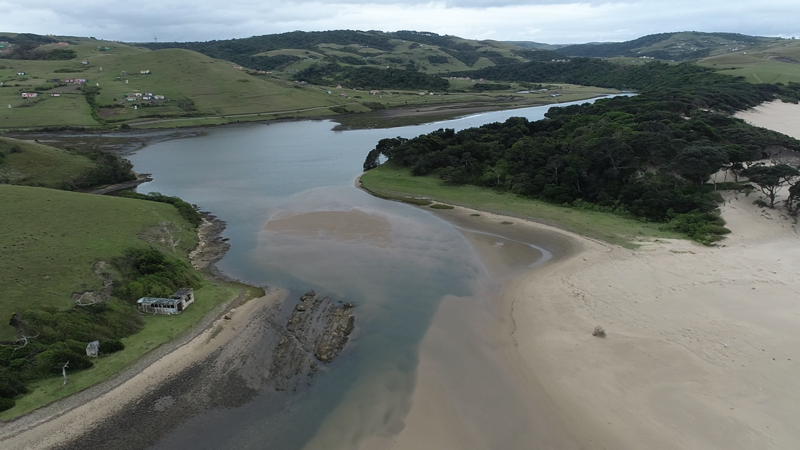
Bulurha Estuary - Warm Temperate - Large Temporarily Closed. (© Nelson Mandela Univeristy)

9%
of 22 ecosystem types
Well Protected
41%
of 22 ecosystem types
Poorly Protected
36%
of 22 ecosystem types
Moderately Protected
14%
of 22 ecosystem types
Not Protected

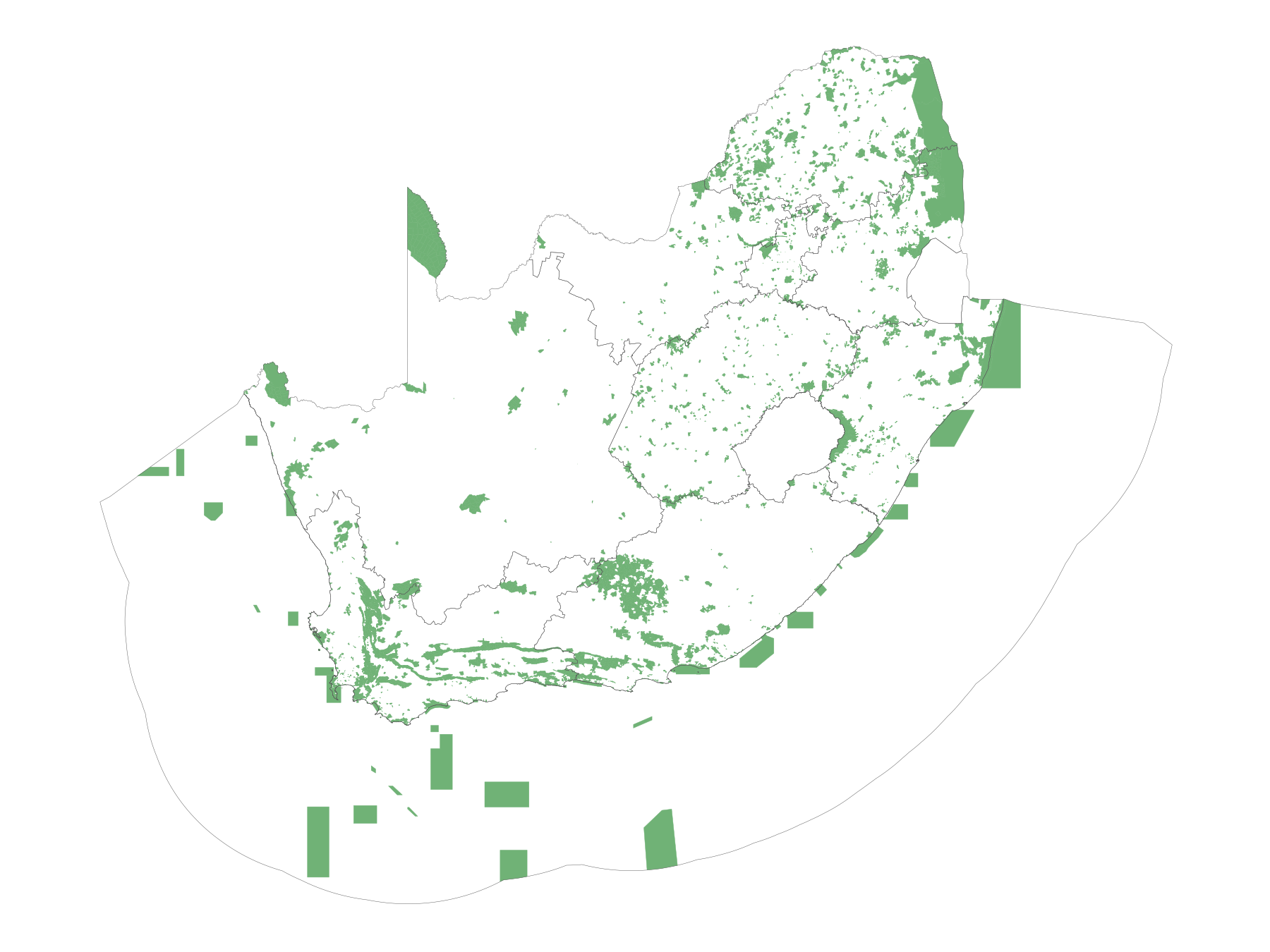
Figure 1. South Africa’s Protected Area network.

Ecosystem protection level assessment

Of key concern, three estuarine ecosystem types are categorised as Not Protected, namely:

  • Warm Temperate Large Fluvially Dominated
  • Subtropical Estuarine Bay
  • Cool Temperate Predominantly Open

Similarly, nine estuarine ecosystem types are categorised as Poorly Protected, namely:

  • Cool Temperate Estuarine Lake
  • Cool Temperate Arid Predominantly Closed
  • Cool Temperate Large Fluvially Dominated
  • Cool Temperate Large Temporarily Closed
  • Warm Temperate Predominantly Open
  • Warm Temperate Large Temporarily Closed
  • Subtropical Large Fluvially Dominated
  • Subtropical Predominantly Open
  • Subtropical Large Temporarily Closed

Since 2011, there has been an erosion of protection in historically protected areas. This can be attributed to the removal of no-take restrictions and the development of commercial fisheries in Marine Protected Areas (MPAs). This is further exacerbated by increased illegal gillnetting in protected areas in KwaZulu-Natal.

An investment in estuarine protection is needed in ecosystem types that are Not Protected, or to advance Poorly Protected ecosystem types towards Well Protected. Ecosystem types in the Tropical and Warm Temperate biogeographical region are the best protected, while ecosystem types in the Cool Temperate regions have the lowest protection levels.
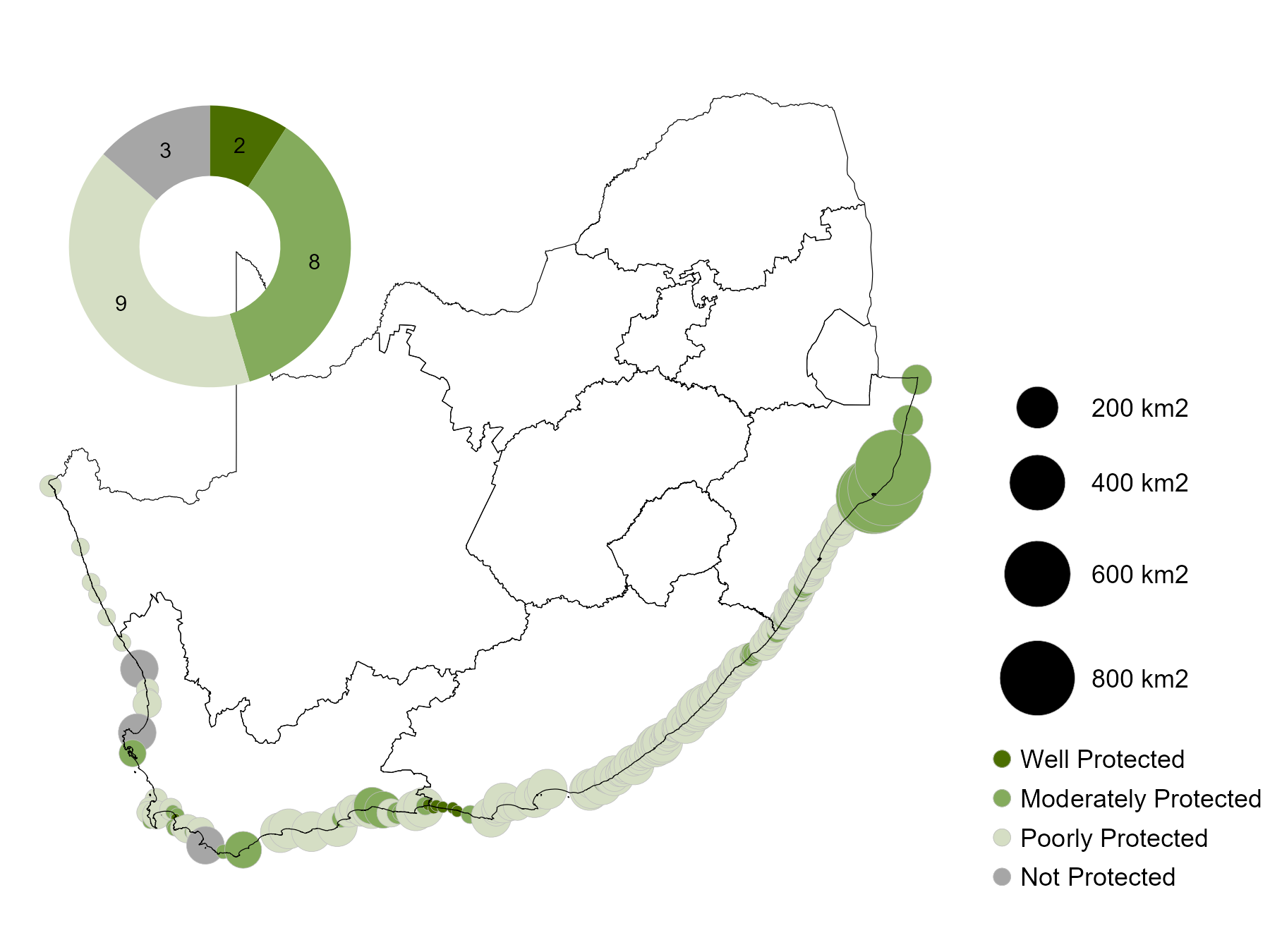
Figure 2. Schematic representation of estuarine ecosystem protection levels (size of the dot represents area of the individual estuary). There are many overlaps between points that can obscure the status of smaller estuaries. The inset graph shows the number and proportion of ecosystem types that fall within each protection level category.

Opportunities to improve ecosystem protection level

There is an opportunity to improve the protection level of some of the Poorly or Moderately Protected ecosystem types to Well Protected through improved estuarine management and ecosystem restoration to reduce ecosystem degradation.

Several under-protected ecosystem types can advance to Well Protected solely with improved management of fishing and water quality. For example, 32% of estuarine ecosystem types and 10% of the total estuarine area could be Well Protected if fishing efforts in just 3 estuaries were better controlled. These estuaries are Langebaan, Knysna and Kosi.

The global support for a 30% protection target (2030 Global Biodiversity Framework Target 3) presents a unique opportunity to garner international support and possible funding opportunities to advance estuary protection. Conservation agencies around the coast are in the process of evaluating and extending estuarine protection with local community support, e.g. Olifants Estuary and Verlorenvlei (CapeNature).

Ongoing efforts to develop other effective area-based conservation measures (OECMs) and stewardship approaches for estuaries present an opportunity for bottom-up conservation models to be developed that can be used to protect and curb the ongoing decline in Blue Carbon habitats. It is less clear if this mechanism will also be able to protect invertebrates, fish and birds. However, there is no doubt that increased community engagement in protection will create an environment of trust and present opportunities for strengthening protection over time, either as a ‘stepping stone’ for increasing formal protection over time or as a sufficient measure on its own.
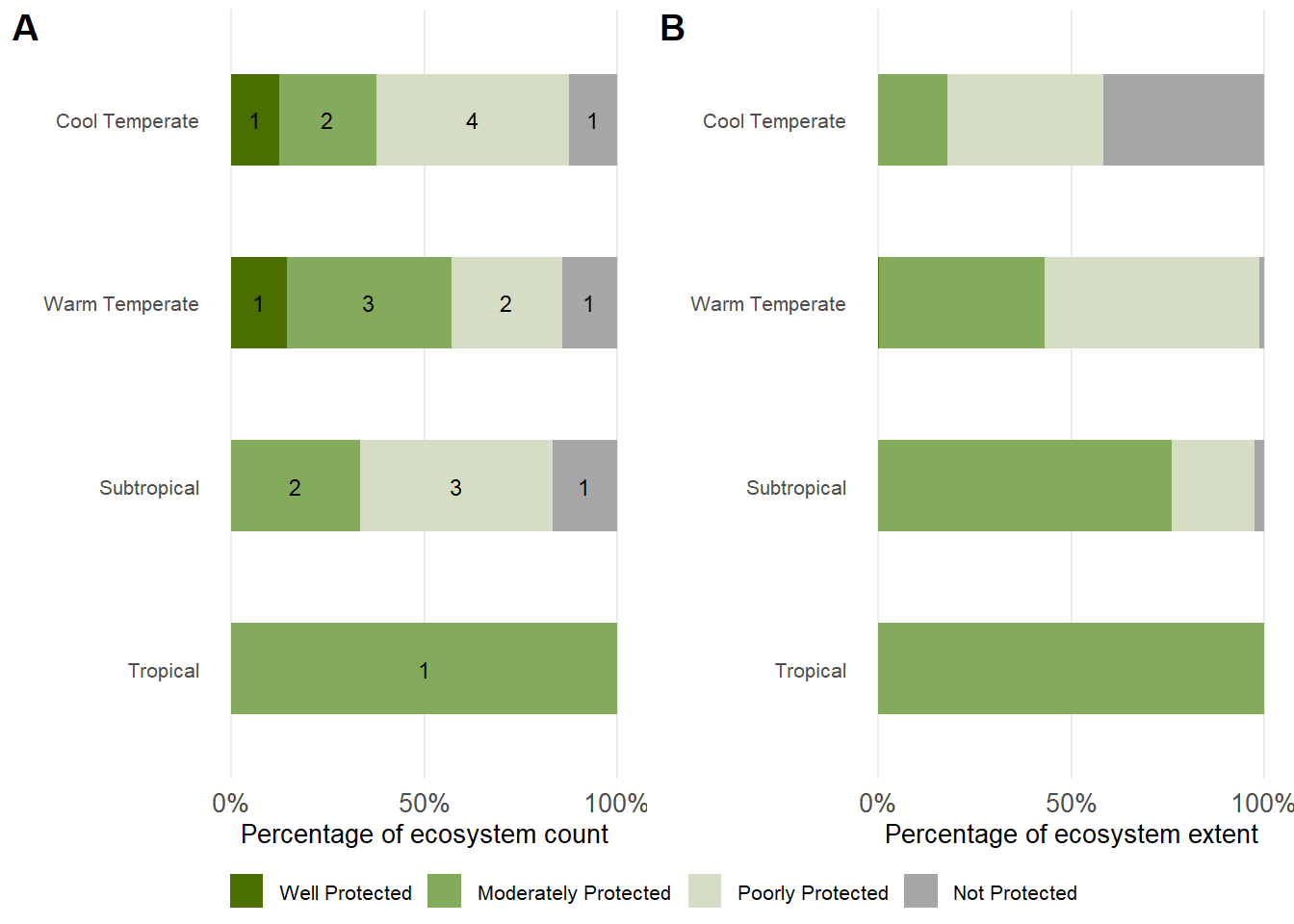
Figure 3. Estuarine Ecosystem Protection Levels in South Africa by percentage of types (number of contributing estuaries indicated on bar) (A) and percentage extent (B).
Table 1. Estuarine Ecosystem Protection Levels South Africa’s estuaries tabulated by number of estuaries in a type, estuary types, extent and percentage area in a biogeographical region.
Well Protected Moderately Protected Poorly Protected Not Protected
Cool Temperate No. estuaries 1 9 20 3
No. estuary types 1 2 4 1
Extent (km2) 0 65 148 153
Percentage (%) 0 18 41 42
Warm Temperate No. estuaries 6 52 65 1
No. estuary types 1 3 2 1
Extent (km2) 1 190 246 6
Percentage (%) 0 43 56 1
Subtropical No. estuaries 0 64 66 1
No. estuary types 0 2 3 1
Extent (km2) 0 839 237 28
Percentage (%) 0 76 21 3
Tropical No. estuaries 0 2 0 0
No. estuary types 0 1 0 0
Extent (km2) 0 82 0 0
Percentage (%) 0 100 0 0

While the larger estuaries with greater biodiversity are undoubtedly priorities for protection, there is an urgent need to update the 2011 National Estuary Biodiversity Plan to reflect updated estuary condition/development levels, an increased protection target (30%), facilitate inter-estuary connectivity (e.g. De Hoop Cluster), and ensure protection of key ecosystem services such as blue carbon and nursery function to inform the 30 x 30 planning process and the beyond. Gaps in representation will persist unless some ecosystem types or functional groups (e.g. Cool Temperate Large Fluvially Dominated) are targeted for inclusion in Marine Protected Areas, Protected areas or OECMs.

It is increasingly evident that protected areas will be less meaningful if they don’t involve people in the landscape and address issues that undermine their legitimacy and effectiveness. OECMs and/or Stewardship offer new opportunities for a broader diversity of conservation models to contribute to marine protection. Lastly, an increasing extent of protection alone will not advance estuarine ecosystems to Well Protected. The condition of ecosystems in protected areas needs improvement as well.

NoteBox 1. Avian botulism and cyanobacteria blooms on the protected Touw/Wilderness Estuarine Lakes system and the underlying water quality issues that threaten ecosystem protection levels in the region

MKS Smith, CM Lawrence, R Petersen - SANPARKS

The Wilderness Lakes System, a designated RAMSAR site within the Garden Route National Park, comprises the Touw Estuary and three interconnected estuarine lakes, Eilandvlei, Langvlei, and Rondevlei. Long-term studies have shown clear directional changes occurring in this system. Water quality monitoring has revealed significant declines in salinity, pH, and turbidity, particularly in the upper lakes, reflecting a shift from estuarine to more freshwater, lacustrine conditions (Russell 2013). Correspondingly, fish communities have changed, with increasing dominance of freshwater and alien species, including Mozambique tilapia (Oreochromis mossambicus) and common carp (Cyprinus carpio)1. These changes stem from altered hydrology, artificial mouth breaching, and sediment accumulation, restricting connectivity between lakes and the marine environment. More recently, two emerging issues, avian botulism and cyanobacteria blooms, have raised concerns over the ecological health of the system.
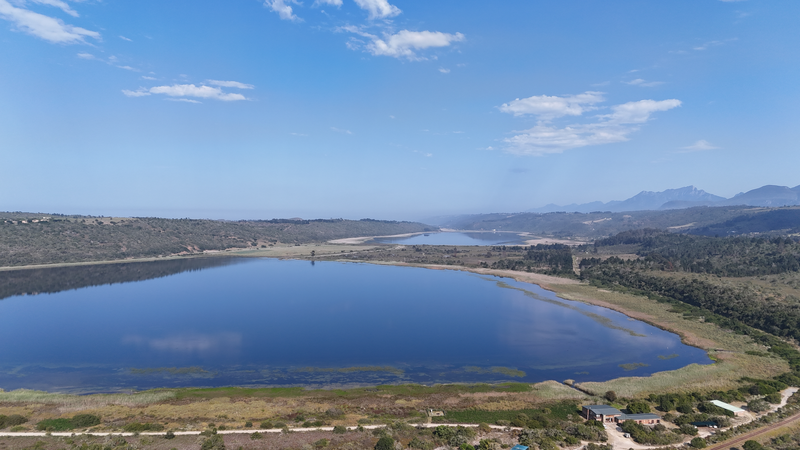
Aerial view of Rondevlei in the foreground and Langvlei in the background. (© SANParks)

Avian botulism

An outbreak of avian botulism, a disease caused by toxins produced by Clostridium botulinum under warm, low-oxygen conditions, was first recorded in the system in 2015, becoming one of the largest such events documented in South Africa2. Over three years, at least 1,115 waterbirds from 23 species were affected, with the highest mortalities recorded among red-knobbed coot (Fulica cristata; 60%), Cape shoveler (Anas smithii; 18%), and yellow-billed duck (Anas undulata; 9%). Mortality peaked in summer and autumn (November to April), coinciding with high temperatures and low dissolved oxygen. Conditions conducive to toxin formation. A second botulism outbreak was recorded in 2025. The outbreak was shorter in duration (February to April) and resulted in lower mortalities, with 199 birds being affected from 10 species. The outbreak occurred during a dry, hot summer and unusually low water levels.

While the precise cause of the outbreaks remains uncertain, a possible link with the invasive common carp, whose bottom-feeding behaviour disturbs sediments and releases organic material that may promote anaerobic, toxin-producing conditions, has been highlighted (Russell et al. 2019). The first event also followed a period of macrophyte decline, reduced water circulation, and accumulation of decaying organic matter, which are factors known to exacerbate botulism risk. Decaying carcasses and maggot-mediated toxin transfer are key components of the botulism cycle. In response, during both outbreaks, SANParks implemented an intensive management programme that included regular collection and off-site disposal of bird and fish carcasses, monitoring of environmental conditions, and collaboration with veterinary specialists for testing and diagnosis.

Cyanobacteria blooms

Cyanobacteria thrive in warm, nutrient-enriched, and stagnant waters and are capable of producing toxins harmful to fish, birds, and humans. In 2022, the first recorded bloom was limited to a few isolated patches in Eilandvlei and the Serpentine channel, with only a single toxin-producing genus/family identified, namely, Microcystis. However, during the summer/autumn of 2025, a significant bloom occurred, covering the entire Eilandvlei, with four distinct cyanobacteria genera (Anabaena, Microcystis, Cylindrospermopsis and Oscillatoria), capable of producing neurotoxins and hepatotoxins being detected.

Toxin testing confirmed the presence of microcystins at levels exceeding WHO recreational safety thresholds and during both blooms, Eilandvlei was closed to the public, preventing the realisation of various cultural and provisioning ecosystem services for residents. Tourism and park revenue generation were also impacted.
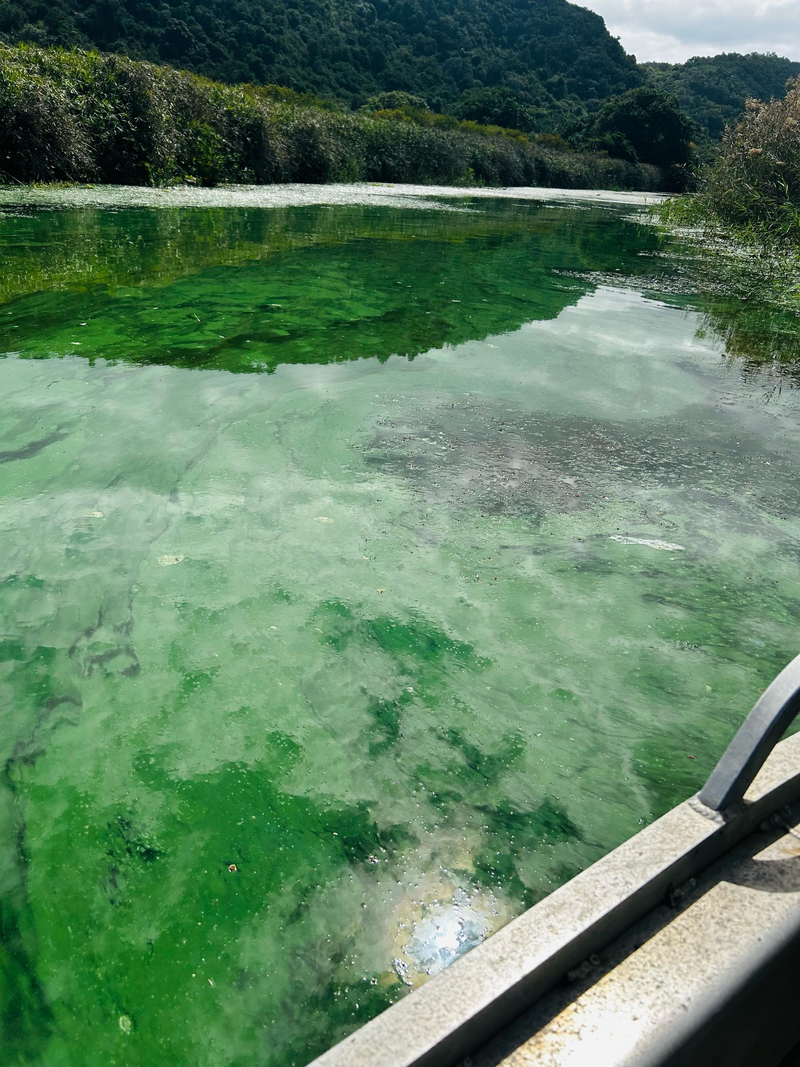
The cyanobacteria algal bloom event on Island Lake in 2025. (© SANParks)

Both blooms have likely been fuelled by limited flushing, historic nutrient runoff from agricultural lands, and organic enrichment from decaying vegetation, leading to nutrient enrichment of sediments. A concern is that the system may be moving through a regime shift where internal processes (rather than external inputs) may be increasingly driving bloom occurrence.

Management challenges

Although containment efforts reduced the scale of subsequent outbreaks, the recurrence of avian botulism and the emergence of cyanobacteria blooms, both symptoms of declining water quality, signal deeper systemic issues. Addressing these growing challenges requires a systematic approach that integrates monitoring, rapid response, clear communication, and ongoing evaluation. Botulism and harmful algal blooms share similar triggers (temperature, nutrient loading, stagnation), suggesting they may worsen concurrently under climate change. Recorded data show declining winter and annual rainfall over recent decades, which is likely to increase water retention times, nutrient build‑up, and disease risk in closed or semi‑closed systems.

Without concerted management to restore flow, reduce nutrient inputs, and improve estuarine connectivity, these linked issues threaten to fundamentally alter the ecological character and biodiversity of this protected Warm Temperate estuarine lake system.
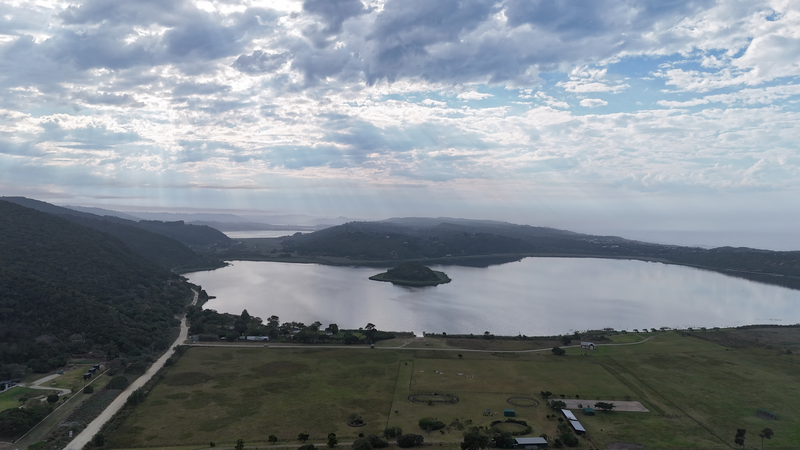
Arial view of Island Lake in the foreground with Langvlei in the center and Rondevlei in the far distance. (© SANParks)
Table 2. Estuarine Ecosystem Protection Levels in South Africa listed by estuary
Estuary name Estuary type Protection level
Orange Cool Temperate Large Fluvially Dominated Poorly Protected
Buffels Cool Temperate Arid Predominantly Closed Poorly Protected
Swartlintjies Cool Temperate Arid Predominantly Closed Poorly Protected
Spoeg Cool Temperate Arid Predominantly Closed Poorly Protected
Groen Cool Temperate Arid Predominantly Closed Poorly Protected
Sout (Noord) Cool Temperate Arid Predominantly Closed Poorly Protected
Olifants Cool Temperate Predominantly Open Not Protected
Jakkals Cool Temperate Large Temporarily Closed Poorly Protected
Wadrift Cool Temperate Arid Predominantly Closed Poorly Protected
Verlorenvlei Cool Temperate Estuarine Lake Poorly Protected
Groot Berg Cool Temperate Predominantly Open Not Protected
Langebaan Cool Temperate Estuarine Lagoon Moderately Protected
Diep/Rietvlei Cool Temperate Large Temporarily Closed Poorly Protected
Sout (Wes) Cool Temperate Large Temporarily Closed Poorly Protected
Disa Cool Temperate Large Temporarily Closed Poorly Protected
Wildevoëlvlei Cool Temperate Large Temporarily Closed Poorly Protected
Schuster Cool Temperate Small Temporarily Closed Moderately Protected
Krom Cool Temperate Small Temporarily Closed Moderately Protected
Silwermyn Cool Temperate Large Temporarily Closed Poorly Protected
Zand Cool Temperate Large Temporarily Closed Poorly Protected
Zeekoei Cool Temperate Estuarine Lake Poorly Protected
Eerste Cool Temperate Large Temporarily Closed Poorly Protected
Lourens Cool Temperate Small Temporarily Closed Moderately Protected
Sir Lowry’s Pass Cool Temperate Small Temporarily Closed Moderately Protected
Steenbras Cool Temperate Small Fluvially Dominated Well Protected
Rooiels Cool Temperate Small Temporarily Closed Moderately Protected
Buffels (Oos) Cool Temperate Small Temporarily Closed Moderately Protected
Palmiet Cool Temperate Large Temporarily Closed Poorly Protected
Bot/Kleinmond Cool Temperate Estuarine Lake Poorly Protected
Onrus Cool Temperate Small Temporarily Closed Moderately Protected
Klein Cool Temperate Estuarine Lake Poorly Protected
Uilkraals Cool Temperate Predominantly Open Not Protected
Ratel Cool Temperate Small Temporarily Closed Moderately Protected
Heuningnes Warm Temperate Estuarine Lake Moderately Protected
Klipdrifsfontein Warm Temperate Small Temporarily Closed Moderately Protected
Breede Warm Temperate Predominantly Open Poorly Protected
Duiwenhoks Warm Temperate Predominantly Open Poorly Protected
Goukou Warm Temperate Predominantly Open Poorly Protected
Gouritz Warm Temperate Predominantly Open Poorly Protected
Blinde Warm Temperate Small Temporarily Closed Moderately Protected
Tweekuilen Warm Temperate Small Temporarily Closed Moderately Protected
Gericke Warm Temperate Small Temporarily Closed Moderately Protected
Hartenbos Warm Temperate Large Temporarily Closed Poorly Protected
Klein Brak Warm Temperate Large Temporarily Closed Poorly Protected
Groot Brak Warm Temperate Large Temporarily Closed Poorly Protected
Maalgate Warm Temperate Large Temporarily Closed Poorly Protected
Gwaing Warm Temperate Small Temporarily Closed Moderately Protected
Kaaimans Warm Temperate Predominantly Open Poorly Protected
Touw/Wilderness Warm Temperate Estuarine Lake Moderately Protected
Swartvlei Warm Temperate Estuarine Lake Moderately Protected
Goukamma Warm Temperate Large Temporarily Closed Poorly Protected
Knysna Warm Temperate Estuarine Bay Moderately Protected
Noetsie Warm Temperate Small Temporarily Closed Moderately Protected
Piesang Warm Temperate Large Temporarily Closed Poorly Protected
Keurbooms Warm Temperate Predominantly Open Poorly Protected
Matjies Warm Temperate Small Temporarily Closed Moderately Protected
Sout (Oos) Warm Temperate Predominantly Open Poorly Protected
Groot (Wes) Warm Temperate Small Temporarily Closed Moderately Protected
Bloukrans Warm Temperate Small Fluvially Dominated Well Protected
Lottering Warm Temperate Small Fluvially Dominated Well Protected
Elandsbos Warm Temperate Small Fluvially Dominated Well Protected
Storms Warm Temperate Small Fluvially Dominated Well Protected
Elands Warm Temperate Small Fluvially Dominated Well Protected
Groot (Oos) Warm Temperate Small Fluvially Dominated Well Protected
Tsitsikamma Warm Temperate Small Temporarily Closed Moderately Protected
Klipdrif (Oos) Warm Temperate Small Temporarily Closed Moderately Protected
Slang Warm Temperate Small Temporarily Closed Moderately Protected
Kromme Warm Temperate Predominantly Open Poorly Protected
Seekoei Warm Temperate Large Temporarily Closed Poorly Protected
Kabeljous Warm Temperate Large Temporarily Closed Poorly Protected
Gamtoos Warm Temperate Predominantly Open Poorly Protected
Van Stadens Warm Temperate Large Temporarily Closed Poorly Protected
Maitland Warm Temperate Large Temporarily Closed Poorly Protected
Baakens Warm Temperate Small Temporarily Closed Moderately Protected
Papkuils Warm Temperate Small Temporarily Closed Moderately Protected
Swartkops Warm Temperate Predominantly Open Poorly Protected
Coega (Ngqurha) Warm Temperate Large Temporarily Closed Poorly Protected
Sundays Warm Temperate Predominantly Open Poorly Protected
Boknes Warm Temperate Small Temporarily Closed Moderately Protected
Bushmans Warm Temperate Predominantly Open Poorly Protected
Kariega Warm Temperate Predominantly Open Poorly Protected
Grant's Warm Temperate Small Temporarily Closed Moderately Protected
Kasouga Warm Temperate Large Temporarily Closed Poorly Protected
Kowie Warm Temperate Predominantly Open Poorly Protected
Rufane Warm Temperate Small Temporarily Closed Moderately Protected
Riet Warm Temperate Small Temporarily Closed Moderately Protected
West Kleinemonde Warm Temperate Large Temporarily Closed Poorly Protected
East Kleinemonde Warm Temperate Large Temporarily Closed Poorly Protected
Great Fish Warm Temperate Predominantly Open Poorly Protected
Old Woman’s Warm Temperate Large Temporarily Closed Poorly Protected
Mpekweni Warm Temperate Large Temporarily Closed Poorly Protected
Mtati (Mthathi) Warm Temperate Large Temporarily Closed Poorly Protected
Mgwalana Warm Temperate Large Temporarily Closed Poorly Protected
Bira (Bhirha) Warm Temperate Large Temporarily Closed Poorly Protected
Gqutywa Warm Temperate Large Temporarily Closed Poorly Protected
Ngculura (Ngculurha) Warm Temperate Small Temporarily Closed Moderately Protected
Mtana Warm Temperate Small Temporarily Closed Moderately Protected
Keiskamma Warm Temperate Predominantly Open Poorly Protected
Nqinisa Warm Temperate Small Temporarily Closed Moderately Protected
Kiwane (Khiwane) Warm Temperate Large Temporarily Closed Poorly Protected
Tyolomnqa Warm Temperate Large Temporarily Closed Poorly Protected
Shelbertsstroom Warm Temperate Small Temporarily Closed Moderately Protected
Lilyvale Warm Temperate Small Temporarily Closed Moderately Protected
Ross' Creek Warm Temperate Small Temporarily Closed Moderately Protected
Ncera (Ncerha) Warm Temperate Large Temporarily Closed Poorly Protected
Mlele Warm Temperate Small Temporarily Closed Moderately Protected
Mcantsi Warm Temperate Small Temporarily Closed Moderately Protected
Gxulu Warm Temperate Large Temporarily Closed Poorly Protected
Goda Warm Temperate Large Temporarily Closed Poorly Protected
Hlozi Warm Temperate Small Temporarily Closed Moderately Protected
Hickman's Warm Temperate Small Temporarily Closed Moderately Protected
Buffalo Warm Temperate Predominantly Open Poorly Protected
Blind Warm Temperate Small Temporarily Closed Moderately Protected
Hlaze (iHlanze) Warm Temperate Small Temporarily Closed Moderately Protected
Nahoon Warm Temperate Predominantly Open Poorly Protected
Qinira (Quinirha) Warm Temperate Large Temporarily Closed Poorly Protected
Gqunube Warm Temperate Predominantly Open Poorly Protected
Kwelera (Kwelerha) Warm Temperate Predominantly Open Poorly Protected
Bulura (Bulurha) Warm Temperate Large Temporarily Closed Poorly Protected
Cunge Warm Temperate Small Temporarily Closed Moderately Protected
Cintsa Warm Temperate Large Temporarily Closed Poorly Protected
Cefane Warm Temperate Large Temporarily Closed Poorly Protected
Kwenxura (Kwenxurha) Warm Temperate Large Temporarily Closed Poorly Protected
Nyara (Nyarha) Warm Temperate Large Temporarily Closed Poorly Protected
Imtwendwe (Mtwendwe) Warm Temperate Small Temporarily Closed Moderately Protected
Haga-haga Warm Temperate Small Temporarily Closed Moderately Protected
Mtendwe Warm Temperate Small Temporarily Closed Moderately Protected
Quko Warm Temperate Large Temporarily Closed Poorly Protected
Morgan Warm Temperate Large Temporarily Closed Poorly Protected
Cwili Warm Temperate Small Temporarily Closed Moderately Protected
Great Kei Warm Temperate Large Fluvially Dominated Not Protected
Gxara (Gxarha) Warm Temperate Large Temporarily Closed Poorly Protected
Ngogwane Warm Temperate Small Temporarily Closed Moderately Protected
Qolora (Qolorha) Warm Temperate Large Temporarily Closed Poorly Protected
Ncizele Warm Temperate Small Temporarily Closed Moderately Protected
Timba Warm Temperate Small Temporarily Closed Moderately Protected
Kobonqaba (Khobonqaba) Warm Temperate Predominantly Open Poorly Protected
Nxaxo/Ngqusi Warm Temperate Large Temporarily Closed Poorly Protected
Cebe Warm Temperate Large Temporarily Closed Poorly Protected
Gqunqe Warm Temperate Large Temporarily Closed Poorly Protected
Zalu Warm Temperate Small Temporarily Closed Moderately Protected
Ngqwara (Ngqwarha) Warm Temperate Large Temporarily Closed Poorly Protected
Sihlontlweni Warm Temperate Small Temporarily Closed Moderately Protected
Nebelele Warm Temperate Small Temporarily Closed Moderately Protected
Qora (Qhorha) Warm Temperate Predominantly Open Poorly Protected
Jujura (Jujurha) Warm Temperate Small Temporarily Closed Moderately Protected
Ngadla Warm Temperate Small Temporarily Closed Moderately Protected
Shixini Warm Temperate Predominantly Open Poorly Protected
Beechamwood Warm Temperate Small Temporarily Closed Moderately Protected
Kwazlelitsha (Kwazwedala) Warm Temperate Small Temporarily Closed Moderately Protected
Kwa-Goqo Warm Temperate Small Temporarily Closed Moderately Protected
Ku-Nocekedwa Warm Temperate Small Temporarily Closed Moderately Protected
Nqabara/Nqabarana Warm Temperate Predominantly Open Poorly Protected
Ngomane (East) Warm Temperate Small Temporarily Closed Moderately Protected
Ngoma/Kobule Warm Temperate Small Temporarily Closed Moderately Protected
Mendu Warm Temperate Large Temporarily Closed Poorly Protected
Mendwana Warm Temperate Predominantly Open Poorly Protected
Mbashe Subtropical Large Fluvially Dominated Poorly Protected
Ku-Mpenzu Subtropical Small Temporarily Closed Moderately Protected
Ku-Bhula (Mbhanyana) Subtropical Small Temporarily Closed Moderately Protected
Kwa-Suku Subtropical Large Temporarily Closed Poorly Protected
Ntlonyane Subtropical Large Temporarily Closed Poorly Protected
Nkanya Subtropical Large Temporarily Closed Poorly Protected
Sundwana Subtropical Small Temporarily Closed Moderately Protected
Xora Subtropical Predominantly Open Poorly Protected
Bulungula Subtropical Large Temporarily Closed Poorly Protected
Ku-Amanzimuzama Subtropical Small Temporarily Closed Moderately Protected
Nqakanqa Subtropical Small Temporarily Closed Moderately Protected
Mdikana Subtropical Small Temporarily Closed Moderately Protected
Mncwasa Subtropical Large Temporarily Closed Poorly Protected
Mpako Subtropical Small Temporarily Closed Moderately Protected
Nenga Subtropical Small Temporarily Closed Moderately Protected
Mapuzi Subtropical Large Temporarily Closed Poorly Protected
Mtata Subtropical Predominantly Open Poorly Protected
Thsani Subtropical Small Temporarily Closed Moderately Protected
Mdumbi Subtropical Predominantly Open Poorly Protected
Lwandilana Subtropical Small Temporarily Closed Moderately Protected
Lwandile Subtropical Large Temporarily Closed Poorly Protected
Mtakatye Subtropical Predominantly Open Poorly Protected
Hluleka Subtropical Small Temporarily Closed Moderately Protected
Mnenu Subtropical Large Temporarily Closed Poorly Protected
Mtonga Subtropical Large Temporarily Closed Poorly Protected
Mpande Subtropical Large Temporarily Closed Poorly Protected
Sinangwana Subtropical Small Temporarily Closed Moderately Protected
Mngazana Subtropical Predominantly Open Poorly Protected
Mngazi Subtropical Large Temporarily Closed Poorly Protected
Gxwaleni Subtropical Small Temporarily Closed Moderately Protected
Bulolo Subtropical Small Temporarily Closed Moderately Protected
Mtumbane Subtropical Small Temporarily Closed Moderately Protected
Mzimvubu Subtropical Large Fluvially Dominated Poorly Protected
Ntlupeni Subtropical Small Temporarily Closed Moderately Protected
Nkodusweni Subtropical Large Temporarily Closed Poorly Protected
Mntafufu Subtropical Predominantly Open Poorly Protected
Ingo Subtropical Small Temporarily Closed Moderately Protected
Mzintlava Subtropical Predominantly Open Poorly Protected
Mzimpunzi Subtropical Small Temporarily Closed Moderately Protected
Kwanyambalala Subtropical Small Temporarily Closed Moderately Protected
Mbotyi Subtropical Small Temporarily Closed Moderately Protected
Mkozi Subtropical Small Temporarily Closed Moderately Protected
Sikatsha Subtropical Small Temporarily Closed Moderately Protected
Lupatana Subtropical Small Temporarily Closed Moderately Protected
Mkweni Subtropical Small Temporarily Closed Moderately Protected
Msikaba Subtropical Predominantly Open Poorly Protected
Mgwegwe Subtropical Small Temporarily Closed Moderately Protected
Mgwetyana Subtropical Small Temporarily Closed Moderately Protected
Mtentu Subtropical Predominantly Open Poorly Protected
Sikombe Subtropical Small Temporarily Closed Moderately Protected
Kwanyana Subtropical Small Temporarily Closed Moderately Protected
Mtolane Subtropical Small Temporarily Closed Moderately Protected
Mnyameni Subtropical Large Temporarily Closed Poorly Protected
Mpahlanyana Subtropical Small Temporarily Closed Moderately Protected
Mpahlane Subtropical Small Temporarily Closed Moderately Protected
Mzamba Subtropical Predominantly Open Poorly Protected
Mtentwana Subtropical Small Temporarily Closed Moderately Protected
uMthavuna Subtropical Large Temporarily Closed Poorly Protected
iSolwane Subtropical Small Temporarily Closed Moderately Protected
iSandlu Subtropical Small Temporarily Closed Moderately Protected
uMbhoyibhoyi Subtropical Small Temporarily Closed Moderately Protected
uMuntongazi Subtropical Small Temporarily Closed Moderately Protected
iKhandalendlovu Subtropical Small Temporarily Closed Moderately Protected
iMpenjani Subtropical Large Temporarily Closed Poorly Protected
uMhlangomkhulu (South) (Umhlangankulu) Subtropical Large Temporarily Closed Poorly Protected
iKhaba Subtropical Small Temporarily Closed Moderately Protected
iMbizana Subtropical Large Temporarily Closed Poorly Protected
iMvutshini Subtropical Small Temporarily Closed Moderately Protected
iBilanhlonhlo Subtropical Small Temporarily Closed Moderately Protected
uVuzana Subtropical Small Temporarily Closed Moderately Protected
iKongeni Subtropical Small Temporarily Closed Moderately Protected
uVunguza Subtropical Small Temporarily Closed Moderately Protected
oHlangeni Subtropical Large Temporarily Closed Poorly Protected
iZotsha Subtropical Large Temporarily Closed Poorly Protected
iBhobhoyi Subtropical Small Temporarily Closed Moderately Protected
uMbango Subtropical Small Temporarily Closed Moderately Protected
uMzimkhulu Subtropical Predominantly Open Poorly Protected
uMthente Subtropical Large Temporarily Closed Poorly Protected
uMhlangomkhulu (North) (Mhlangamkulu) Subtropical Large Temporarily Closed Poorly Protected
iDombe Subtropical Large Temporarily Closed Poorly Protected
iKhoshwana Subtropical Large Temporarily Closed Poorly Protected
iNjambili Subtropical Small Temporarily Closed Moderately Protected
uMzumbe Subtropical Large Temporarily Closed Poorly Protected
uMhlabashana Subtropical Large Temporarily Closed Poorly Protected
uMhlungwa Subtropical Large Temporarily Closed Poorly Protected
uMfazezala Subtropical Large Temporarily Closed Poorly Protected
uMakhosi Subtropical Small Temporarily Closed Moderately Protected
uMnamfu Subtropical Small Temporarily Closed Moderately Protected
uMthwalume Subtropical Large Temporarily Closed Poorly Protected
uMvuzi Subtropical Large Temporarily Closed Poorly Protected
iFafa Subtropical Large Temporarily Closed Poorly Protected
uMdesingane Subtropical Small Temporarily Closed Moderately Protected
iSezela Subtropical Large Temporarily Closed Poorly Protected
uMkhumbane Subtropical Small Temporarily Closed Moderately Protected
iNkomba Subtropical Small Temporarily Closed Moderately Protected
uMuziwezinto Subtropical Large Temporarily Closed Poorly Protected
uMzimayi Subtropical Small Temporarily Closed Moderately Protected
Rocky Bay Subtropical Small Temporarily Closed Moderately Protected
uMphambanyoni Subtropical Small Temporarily Closed Moderately Protected
aMahlongwa Subtropical Small Temporarily Closed Moderately Protected
uMahlongwane Subtropical Large Temporarily Closed Poorly Protected
uMkhomazi Subtropical Predominantly Open Poorly Protected
iNgane Subtropical Small Temporarily Closed Moderately Protected
uMgababa Subtropical Large Temporarily Closed Poorly Protected
uMsimbazi Subtropical Large Temporarily Closed Poorly Protected
iLovu Subtropical Large Temporarily Closed Poorly Protected
aManzanamtoti Subtropical Small Temporarily Closed Moderately Protected
aManzimtoti Subtropical Large Temporarily Closed Poorly Protected
iZimbokodo Subtropical Large Temporarily Closed Poorly Protected
iSiphingo Subtropical Predominantly Open Poorly Protected
Durban Bay Subtropical Estuarine Bay Not Protected
uMngeni Subtropical Predominantly Open Poorly Protected
uMhlanga Subtropical Large Temporarily Closed Poorly Protected
uMdloti Subtropical Large Temporarily Closed Poorly Protected
uThongathi Subtropical Large Temporarily Closed Poorly Protected
uMhlali Subtropical Large Temporarily Closed Poorly Protected
Bob’s Stream Subtropical Small Temporarily Closed Moderately Protected
uSetheni Subtropical Small Temporarily Closed Moderately Protected
uMvoti Subtropical Large Fluvially Dominated Poorly Protected
uMdlotane Subtropical Large Temporarily Closed Poorly Protected
iNonoti Subtropical Large Temporarily Closed Poorly Protected
iZinkwazi Subtropical Large Temporarily Closed Poorly Protected
uThukela Subtropical Large Fluvially Dominated Poorly Protected
aMatigulu/iNyoni Subtropical Predominantly Open Poorly Protected
iSiyaya Subtropical Small Temporarily Closed Moderately Protected
uMlalazi Subtropical Predominantly Open Poorly Protected
uMhlathuze Subtropical Estuarine Lake Moderately Protected
Richards Bay Subtropical Estuarine Lake Moderately Protected
iNhlabane Subtropical Estuarine Lake Moderately Protected
iMfolozi/uMsunduze Subtropical Large Fluvially Dominated Poorly Protected
St Lucia Subtropical Estuarine Lake Moderately Protected
uMgobezeleni Tropical Estuarine Lake Moderately Protected
Kosi Tropical Estuarine Lake Moderately Protected

Download the data here.

Approach

The protection level assessment for estuarine ecosystems was adjusted to align with global targets3. While the 2018 assessment used a standard 20% target, the 2025 assessment applied a 30% target. In order for a estuarine ecosystem type to qualify in the Well Protected category, at least 30% of the ecosystem type (i.e. the ecosystem target) needs to be in a natural / near natural ecological condition. If this target was not met, the ecosystem was categorised as Moderately Protected. Additionally, any area inside a protected area that was in degraded condition had it’s contribution to the protection level target scaled according to the severity of the degradation.

Using as input data the South African Protected Areas Database (SAPAD) 2024Q4 (Department of Forestry Fisheries and Environment), South African estuary ecosystem map (van Niekerk 2020) and estuarine health condition as input data.

Estuarine Condition (Health) scores (0-100) are assigned to Department of Water and Sanitation Present Ecological Status (PES) categories (A-F) and NBA Modification categories (Natural - Severely modified) according to the table below.

Table 3. Estuarine Condition (Health) scores (0-100) are assigned to PES categories (A-F) and NBA Modification categories (Natural - Severely modified) according to the table below.
Condition score (0-100) PES category Modification category
>= 90 A Natural
>=75 & < 90 B Near Natural
>= 60 & < 75 C Moderately Modified
>=40 & < 60 D Heavily Modified
< 40 E/F Severely/Critically Modified

Protection Level is an indicator developed in South Africa that measures the representation of ecosystem types within the protected area network. The extent of each ecosystem type within the network is expressed as a proportion of the total extent. Four categories of Ecosystem Protection Level are calculated per ecosystem type (n= 22).

  • Well Protected: 100% of the PA target within PA network; AND only A&B condition estuaries contribute; AND areas under heavy and very heavy fishing pressure are excluded from contributing

  • Moderately Protected: 50% to 99% of PA target within the PA network; and A&B condition estuaries contribute 100%, C & D condition estuaries contribute 30% and E&F condition estuaries contribute 10%

  • Poorly Protected: 5% to 49% of PA target within the PA network; and A&B condition estuaries contribute 100%, C & D condition estuaries contribute 30% and E&F condition estuaries contribute 10%

  • Not Protected: less than 5% of PA target within the PA network; and A&B condition estuaries contribute 100%, C & D condition estuaries contribute 30% and E&F condition estuaries contribute 10%

The PA target was historically set at 20% for marine and estuarine ecosystems, but with the adoption of the 30% targets for Target 3 of the Global Biodiversity Framework - the protected areas target was increased to 30% in the EPL calculations (previous time points (2018) were recalculated using this higher target). Ecosystem condition data (van Niekerk et al., 2025) for each time point allow for only good condition estuaries without heavey fishing pressure (especially systems under severe gill-netting pressure) to be considered representative for Well Protected status; while for Moderately Protected, Poorly Protected and Not Protected the condition of the estuaries is used to calculate their contribution to meeting targets such that higher integrity / condition estuaries contribute more to meeting protected areas targets than low integrity / condition estuaries.

Technical documentation

Code repositories

Skowno, A.L. 2025. SANBI-NBA Estuary ecosystem protection level [Source code]. GitHub repository available at https://github.com/askowno/EPL_est

Key publications

Harris, L. et al. 2025. Indicators for tracking progress in effective, representative ecosystem protection. Conservation biology.

Refernces

1. Olds, A.A. et al. 2011. Invasive alien freshwater fishes in the wilderness lakes system, a wetland of international importance in the western cape province, south africa. African Zoology 46: 179184.
2. Govender, D. et al. 2019. Outbreak of avian botulism and its effect on waterbirds in the wilderness lakes, south africa. Koedoe: African Protected Area Conservation and Science 61: 113.
3. Harris, L. et al. 2025. Indicators for tracking progress in effective, representative ecosystem protection. Conservation Biology.